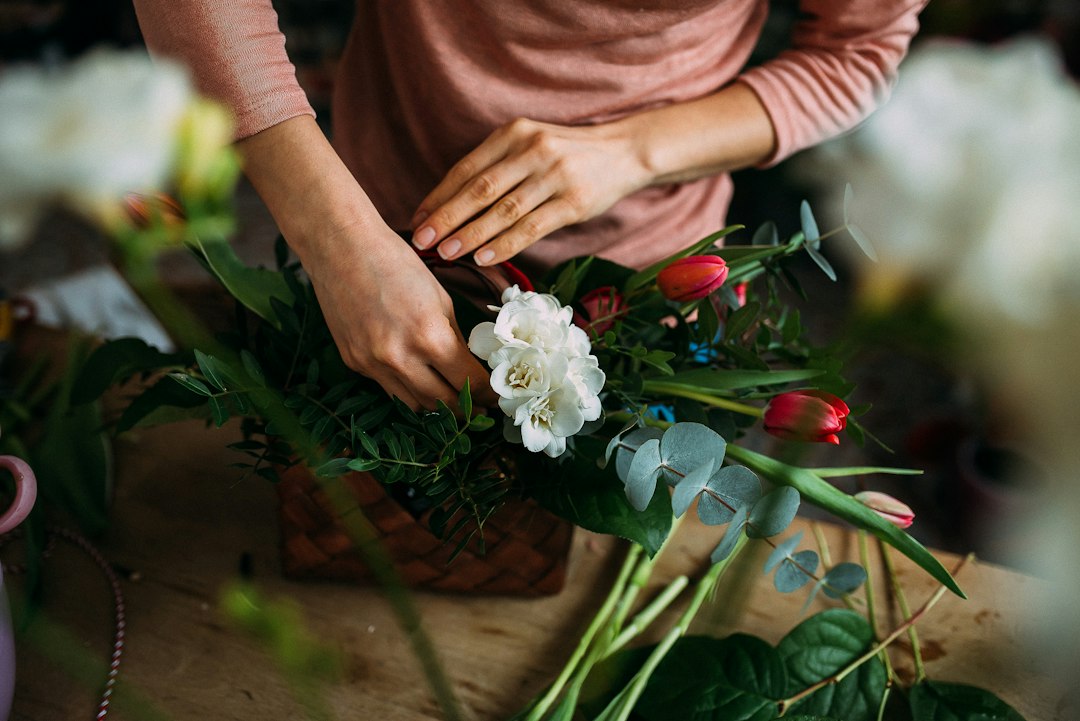
How many flowers are in a bouquet? A small hand-tied bouquet often contains about 9–15 stems, a medium bouquet 16–25, and a large bouquet 26–40. Mini arrangements can use just 5–8 stems. These numbers are practical estimates, not fixed florist standards. A dozen wide roses looks very different from twelve delicate wildflowers, and some stems carry several blooms. This guide explains which counts suit each bouquet size, how to budget for focal flowers, greenery, and fillers, and how to build an arrangement that looks full without wasting flowers. Start with the size you want, then adjust for bloom shape and occasion.
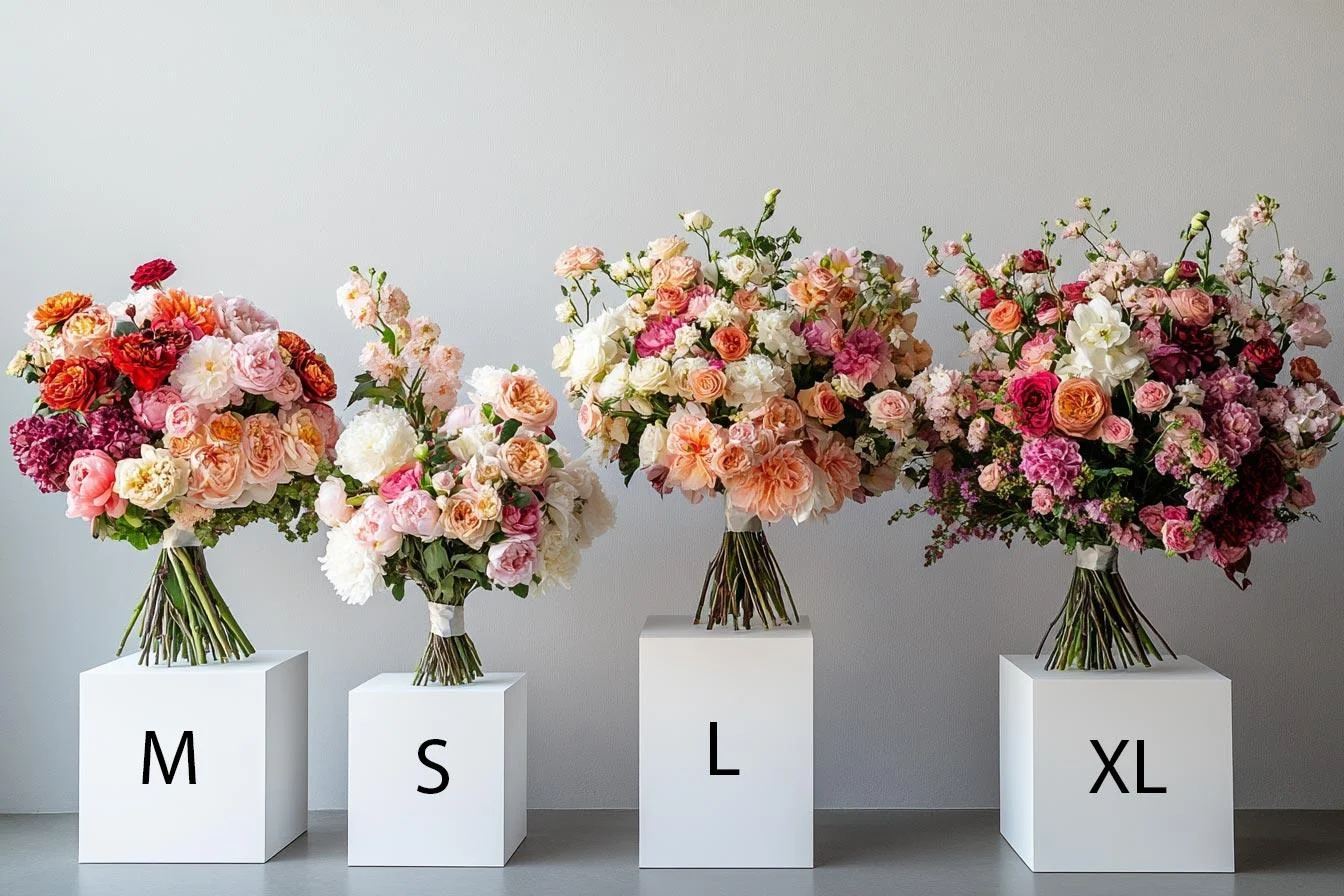
How Many Flowers Are in a Bouquet? Size Chart
Choose the approximate finished width and purpose before buying stems. The ranges in this table represent planning estimates for mixed hand-tied bouquets. They may include secondary flowers and some greenery, whereas individual florists may describe stem counts differently. A bouquet of large peonies or hydrangeas can look full with fewer stems, and a small-flower design may need more. Use these numbers to start a shopping list, not to judge the quality of a finished floral arrangement.
| Bouquet size | Estimated total stems | Typical purpose |
|---|---|---|
| Mini | 5–8 | Bud vase or small gesture |
| Small | 9–15 | Simple hand-tied gift |
| Medium | 16–25 | Everyday celebration |
| Large | 26–40 | Statement arrangement |
| Extra-large | 40+ | Fuller display with support |
When a listing says “20 flowers,” check whether that means 20 stems or 20 visible blossoms. A spray rose stem may carry a cluster of small blooms, while a standard rose usually has one prominent head. Greenery also contributes volume but is not the same as a flower. A seller might count all stems in a bouquet, or list only the principal flowers. Understanding the difference makes price comparisons much easier, especially for mixed arrangements and pre-designed gifts.
What Determines the Number of Flowers?
Large Blooms Versus Small Blooms
Bloom size is the biggest variable. Large hydrangeas, peonies, and garden roses take up much more space than smaller daisies or spray carnations. Three substantial focal flowers can define the outline of a mini arrangement, while three tiny stems might barely fill the opening of a vase. Flower heads also change as they open. A peony bud that looks compact when purchased may expand dramatically the next day. For this reason, estimate the bouquet by the amount of space its flowers occupy rather than by numbers alone.
Focal Flowers, Fillers, and Greenery
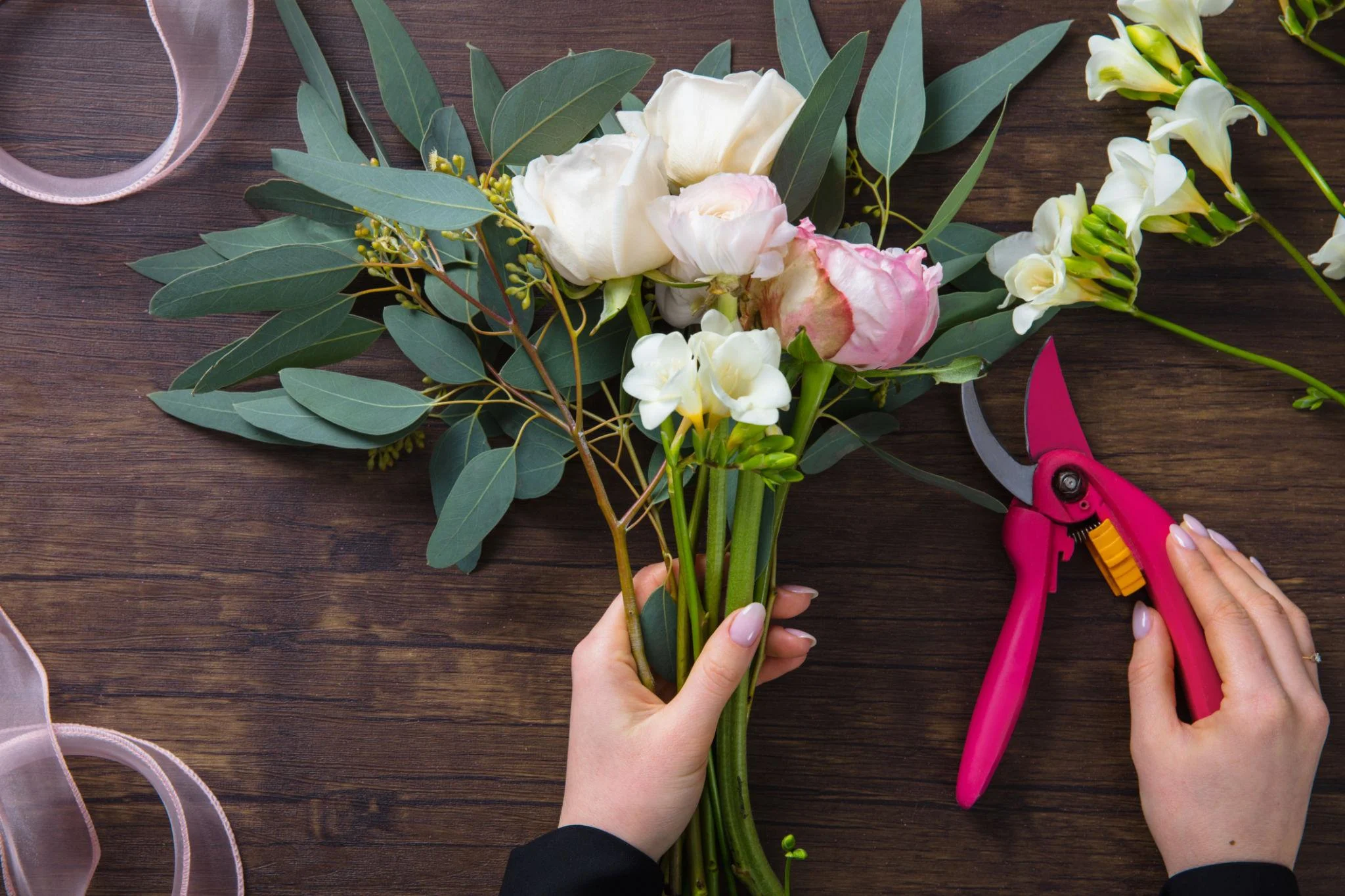
A balanced mixed bouquet often has prominent focal flowers, smaller supporting blossoms, and greenery that frames the edge. You do not need equal quantities of each. For an example 20-stem bouquet, try ten focal flowers, six secondary flower stems, and four leafy stems. This is only a flexible starting formula. If your focal heads are wide, reduce their number. If the flowers are delicate and airy, add more small stems instead. Single-variety bouquets may need no filler at all and can look especially elegant with intentional spacing.
How Many Flowers Are in a Bouquet with Peonies?
Three to five fully open peonies can create a strong focal group in a small mixed arrangement. Add restrained companions and leave space around each flower head, since peonies open into generous layered blooms. A tightly packed bunch can lose its natural shape and bruise during transport. For ideas that pair large blooms with subtle companion flowers, read our peony bouquet ideas guide. Actual counts will depend on the bloom size, whether stems are still in bud, and the vase or wrapping you plan to use.
How Many Roses Make a Bouquet?
Six standard roses can make a thoughtful small gift, twelve form a familiar classic, and twenty-four can create a more dramatic arrangement. No particular number is required. Roses vary in head size, stem length, and bloom stage, so two dozen compact roses can look different from one dozen large garden roses. Spray roses can carry multiple blooms on one stem, making the distinction between blossoms and stems especially important. Choose the arrangement according to the recipient’s style and a manageable finished size rather than a fixed symbolic count.
Rose colors can give your gift additional meaning. Red is commonly associated with romantic love, pink with appreciation, and yellow with friendship, although such interpretations vary by culture and personal preference. Our rose colors meaning guide explores these associations. A fresh six-stem bouquet in a person’s favorite color can be more meaningful than a larger bunch chosen simply because of its number. A handwritten card is often the clearest way to communicate a message.
How Many Stems for a Small DIY Bouquet?
Begin with approximately 9–15 total stems. You might use six focal flowers, four smaller flowers, and three pieces of greenery. Keep the palette to two main colors and distribute the large heads throughout the bundle. This size is practical for a thank-you, a desk display, or a birthday gift that the recipient must carry. Stop adding materials as soon as the arrangement looks balanced. A few healthy flowers given enough room can create a fuller impression than an overcrowded mix of lower-quality blooms.
How Many Flowers for a Medium Bouquet?
Start with a rough 16–25-stem range for a medium bouquet. Ten focal flowers, six smaller companions, and four greens offer one possible combination. Adjust for flower-head size, turn the bundle while arranging, and look for visual gaps rather than an exact total. Medium bouquets make versatile gifts because they are noticeable without becoming heavy. To learn the actual stem placement and tying method, see our step-by-step DIY flower bouquet guide. The finished shape is more important than whether you use nineteen or twenty stems.
How Many Flowers for a Large Bouquet?
Large mixed designs may use 26–40 stems, although broad flowers can fill a similar space with fewer. Consider the vase or wrapping first: a heavy bouquet needs reliable support. Spread focal blooms throughout the arrangement, then use smaller stems only where necessary. An oversized bouquet can be awkward to carry through a crowded celebration. If the recipient must travel afterward, a medium arrangement or two smaller bouquets may be a better solution. Plan for comfort and flower freshness, not just visual drama.
A Practical Formula for Counting Stems
Make your bouquet in three passes. First, select a size range from the chart. Next, choose and loosely position the main flowers to establish the finished width. Finally, add accent flowers and greenery to fill visible gaps. For twenty stems, an example is ten main blooms, six supporting stems, and four greens. Treat this as an adjustable design exercise rather than an official floristry ratio. A group of large hydrangeas calls for fewer heads than a bunch of small cosmos or daisies.
Check how many stems come in each store bundle before you pay. One shop may sell roses in tens while another bundles twelve; greenery may be separate. A few spare stems can help if you are preparing an important event, but buying far more than necessary creates waste. Consider the intended vase opening, transport arrangements, and whether the flowers will open further. A shopping list based on the actual varieties available will be more useful than following one number for every bouquet.
Bouquet Sizes for Special Occasions
Graduation, Birthdays, and Small Celebrations
For graduation, a compact small or medium bouquet is often easier to hold beside a diploma while posing for pictures. A massive bunch may cover part of the gown or become uncomfortable to carry. Birthdays allow more flexibility if the flowers go straight into water at home. Thank-you gifts can be smaller while still feeling personal. Our graduation flower bouquet ideas offer practical color palettes and wrapping suggestions. Match your flower count to the occasion and the recipient’s preferences rather than an arbitrary minimum.
Wedding and Bridal Bouquets
Wedding stem counts differ substantially depending on the designer’s style, bouquet mechanics, and flower varieties. A compact bridal bouquet made with large garden roses may contain fewer stems than a loose arrangement of small flowers and greenery. Transport, the ceremony length, and weather also influence the design. For weddings, ask a florist about the desired finished width, shape, and seasonal alternatives rather than ordering from stem count alone. Bridesmaid bouquets and centerpieces should be planned separately because their purpose and scale differ.
Make Fewer Flowers Look Fuller
Use a vase with a proportionate opening so your stems are supported rather than spreading too widely. Position the biggest flowers at slightly different heights and rotate the bouquet as you add supporting blooms. A small amount of greenery can frame the outline without hiding the flowers. Check the finished arrangement from several angles and move existing stems before adding more. A thoughtfully arranged dozen can look more attractive than twenty stems pushed tightly together. Space, healthy petals, and repeated colors often have a greater visual impact than sheer quantity.
Keep the Bouquet Fresh
Regardless of count, wash the vase, use fresh water, and follow flower-food instructions when provided. Remove foliage below the waterline and recut stems using clean, sharp tools. Keep flowers away from strong heat and direct sun, and replace cloudy water. Penn State Extension’s cut-flower care guide explains these straightforward practices. A smaller bouquet that remains hydrated may be more enjoyable than a large arrangement that dries out during transport.
Mistakes to Avoid When Counting Bouquet Flowers
Do not assume a stem equals one individual bloom. Always clarify whether greenery is included in the advertised count. Avoid expecting two florists to define small and medium arrangements identically. Remember that tightly closed buds can expand and crowd their neighbors. Finally, do not add extra flowers just to reach a target number if the bouquet already looks complete. The healthiest stems, a suitable vase, and a clear color palette will usually do more for its appearance than another handful of filler.
Frequently Asked Questions
Is 12 flowers enough for a bouquet?
Yes. Twelve medium-sized flower stems can make an attractive small bouquet, and a dozen standard roses is a familiar classic. The result depends on flower-head size and spacing.
How many flowers are in a medium bouquet?
A useful starting estimate is 16–25 mixed stems, including some supporting flowers and possibly greenery. Larger blooms can achieve a similar look with fewer stems.
Does greenery count toward a bouquet’s stem count?
It may count toward total stems but not toward the number of flowers. Sellers use different descriptions, so ask whether greenery and filler are included.
How many roses create a full bouquet?
Twelve standard roses can look substantial, while twenty-four often create a fuller design. Rose size, bloom stage, and supporting leaves affect the result.
Can I make a bouquet with only five flowers?
Yes. Five generous or distinctive blooms can create an elegant miniature bouquet, especially in a vase with a narrow opening.
How many stems should a beginner buy?
Try 9–15 mixed stems for a small first project or 16–25 for a medium one. Adjust for actual flower sizes and avoid buying more than you can arrange.
Conclusion: How Many Flowers Are in a Bouquet?
So, how many flowers are in a bouquet? A helpful starting range is 5–8 stems for mini, 9–15 for small, 16–25 for medium, and 26–40 for large. These numbers are flexible rather than universal rules. Flower size, greenery, the vase, and the occasion determine the best result. Count stems carefully, leave large blooms room to open, and build for balance rather than volume alone. The right bouquet is one the recipient can comfortably enjoy.