Understanding rose colors meaning can help you select flowers that match the message you want to send. Red roses often suggest romantic love, pink appreciation, white sincerity or remembrance, yellow friendship, and orange enthusiasm. These are familiar associations, not universal rules, so the recipient’s preferences and cultural context always matter. This guide explains common rose color meanings, shows how to combine different shades, and gives practical bouquet ideas for love, celebrations, gratitude, and sympathy. Choose the freshest blooms you can find and let a short personal note make your intended message clear.
Table of Contents
Quick Answer
Rose colors are often associated with different sentiments: red with romantic love, pink with appreciation, white with sincerity or remembrance, yellow with friendship, and orange with enthusiasm. These are common modern associations, not fixed universal rules.
Red Roses: Romantic Affection
Red roses are widely used to express romantic love and deep affection. The context matters, though: a bouquet from a family member or friend may have a personal meaning quite different from traditional symbolism.
Pink Roses: Appreciation and Warmth
Pink roses are frequently associated with gratitude, admiration, and gentle affection. Soft pink feels delicate and understated; stronger pink can create a more vibrant celebration bouquet.
White Roses: Simplicity and Sincerity
White roses may suggest purity, sincerity, new beginnings, or remembrance depending on the occasion and cultural setting. They work well in minimalist bouquets and pair gracefully with greenery.
Yellow Roses: Friendship and Cheer
Yellow roses are often used for friendship, warmth, and congratulations in contemporary gifting. Older interpretations and regional traditions can differ, so a short note makes your intention clear.
Orange Roses: Energy and Excitement
Orange roses can convey enthusiasm, admiration, and a bold celebratory mood. They create striking bouquets alongside cream, apricot, or warm pink blooms.
How to Choose a Rose Bouquet by Meaning
- Think about the recipient’s favorite color before following symbolism
- Consider whether the occasion is romantic, celebratory, or reflective
- Keep the color palette coherent and let your card explain your message
- Remember that associations vary across cultures and individuals
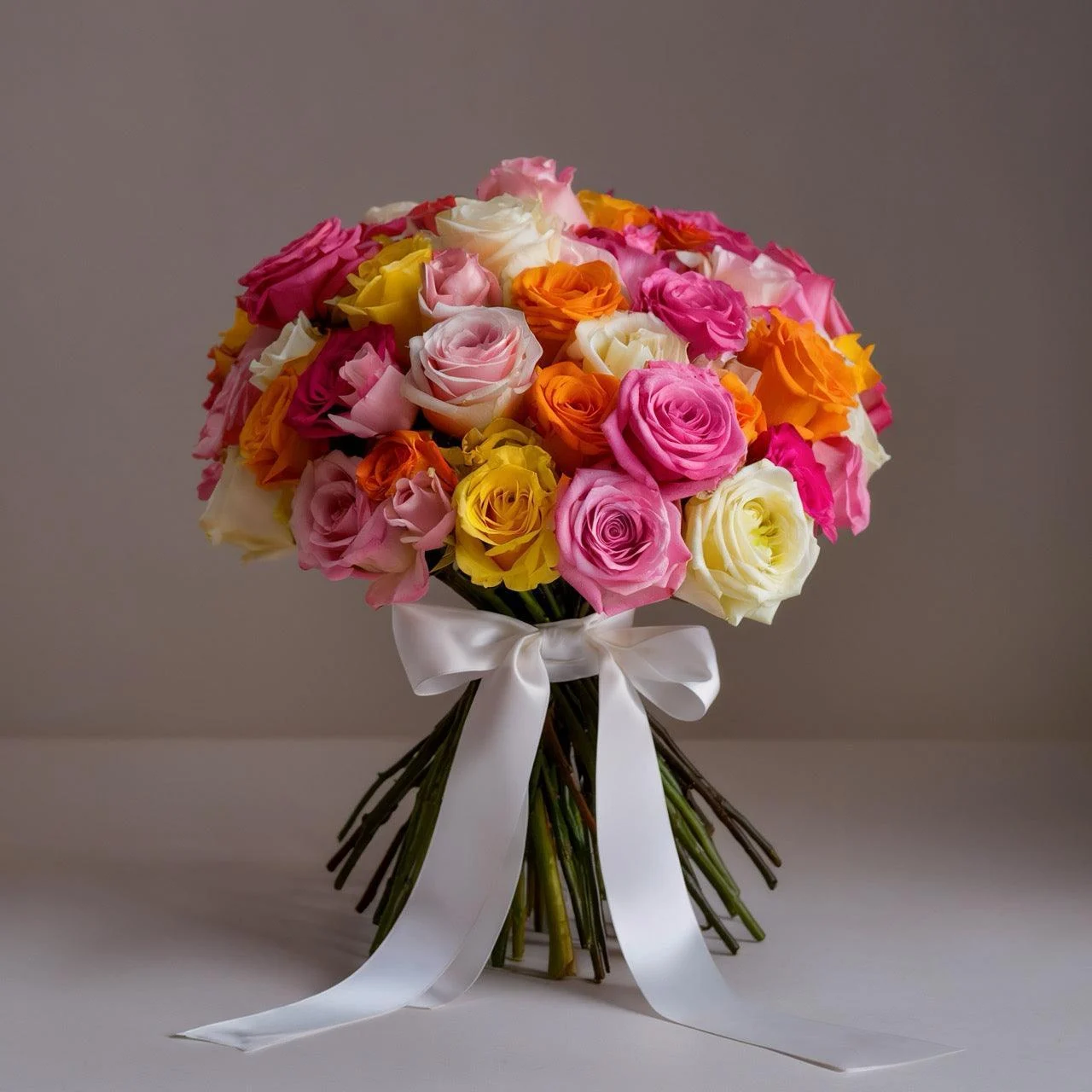
Rose Colors Meaning: A Quick Reference
The most familiar modern associations connect red roses with romantic affection, pink with appreciation, white with sincerity or remembrance, yellow with friendship, and orange with enthusiasm. These are useful starting points, but meanings vary among individuals, cultures, and historical traditions. A recipient’s favorite color may matter more than a symbolism chart. Before choosing a bouquet, think about your relationship and the occasion. A card with a direct personal message avoids any confusion. Flower symbolism should help you choose something thoughtful, not force you into a specific color when another flower would make the recipient happier.
Red Rose Colors Meaning in Romantic Bouquets
Red roses are widely used to express romantic love and deep affection. They are familiar anniversary and Valentine’s Day gifts, yet a bouquet from a friend or family member can have a personal meaning different from traditional romance. Deep red flowers make a strong statement on their own; cream or pale pink companions can create a softer look. If you are giving roses to someone who dislikes dramatic arrangements, a few fresh stems may feel more appropriate than an extravagant bundle. Always consider the context of the relationship. A sincere note clarifies your message more effectively than expecting someone to interpret the exact number of stems.
Pink Roses: Appreciation and Gentle Affection
Pink roses frequently convey admiration, warmth, and gratitude in modern gifting. Pale pink flowers look delicate and understated, while deeper pinks create more energy in a celebratory bouquet. They can work for birthdays, thank-you gestures, or Mother’s Day depending on the recipient. To style them, pair pink stems with cream blooms and a little greenery rather than mixing too many strong accent colors. Choose fresh roses with healthy stems and petals, and keep the bouquet manageable for whoever will carry it. If the recipient loves vibrant pink, their preference is a stronger reason for choosing it than any traditional symbolism.
White Rose Colors Meaning in Weddings and Sympathy
White roses may suggest sincerity, new beginnings, or remembrance. That flexibility helps explain why they appear in wedding designs and, in some traditions, sympathy arrangements. It also means there is no single meaning that applies in every place or family. A white-and-green bouquet can be clean and elegant without seeming cold, especially when the flower heads have some room around them. For a sensitive occasion, consider the recipient’s cultural practices and expectations. Avoid assuming that a white bouquet is universally romantic or universally appropriate for condolences. Write an accompanying note that communicates the feeling you intend.
Yellow Roses: Friendship, Warmth, and Cheer
Yellow roses are commonly associated with friendship and cheerful congratulations in contemporary flower gifting. Their brightness suits a friend’s birthday, a small milestone, or a gesture meant to lift someone’s spirits. Older interpretations differ, and people may associate yellow flowers with different emotions, so personal context still matters. White accents make a yellow bouquet feel airy, while orange companions create a lively palette. If someone particularly enjoys yellow roses, they can be suitable for almost any occasion. A well-chosen fresh bouquet and a kind message matter more than a rigid traditional rule about who should receive each color.
Orange Roses: Enthusiasm and Celebration
Orange roses often express energy, excitement, or admiration in modern interpretations. Their warm colors make them attractive for congratulations, birthdays, and expressive seasonal arrangements. Shades range from gentle peachy orange to vivid tangerine, so look at the actual flowers before choosing companions. Cream, apricot, and pale pink stems can soften orange roses without competing for attention. Orange and yellow together look particularly cheerful, while orange alone can make a striking focal group. Remember that color charts are not universal agreements; choose them because the palette suits the recipient and the occasion, not simply because a website assigns them one definitive meaning.
Peach and Lavender Rose Color Meanings
Peach roses are often linked to appreciation and warm feelings, while lavender roses are sometimes described as representing fascination or enchantment. These interpretations appear in modern flower symbolism but are not fixed across all cultures. Both colors can be beautiful regardless of what you want them to signify. Peach works well beside cream and blush flowers, while lavender can be striking with white or soft pink accents. Keep the bouquet cohesive by repeating colors throughout rather than placing each shade into a separate cluster. If you include an unusual shade, a personal note is more reliable than assuming the recipient knows the symbolism.
Rose Colors Meaning in a Two-Color Bouquet
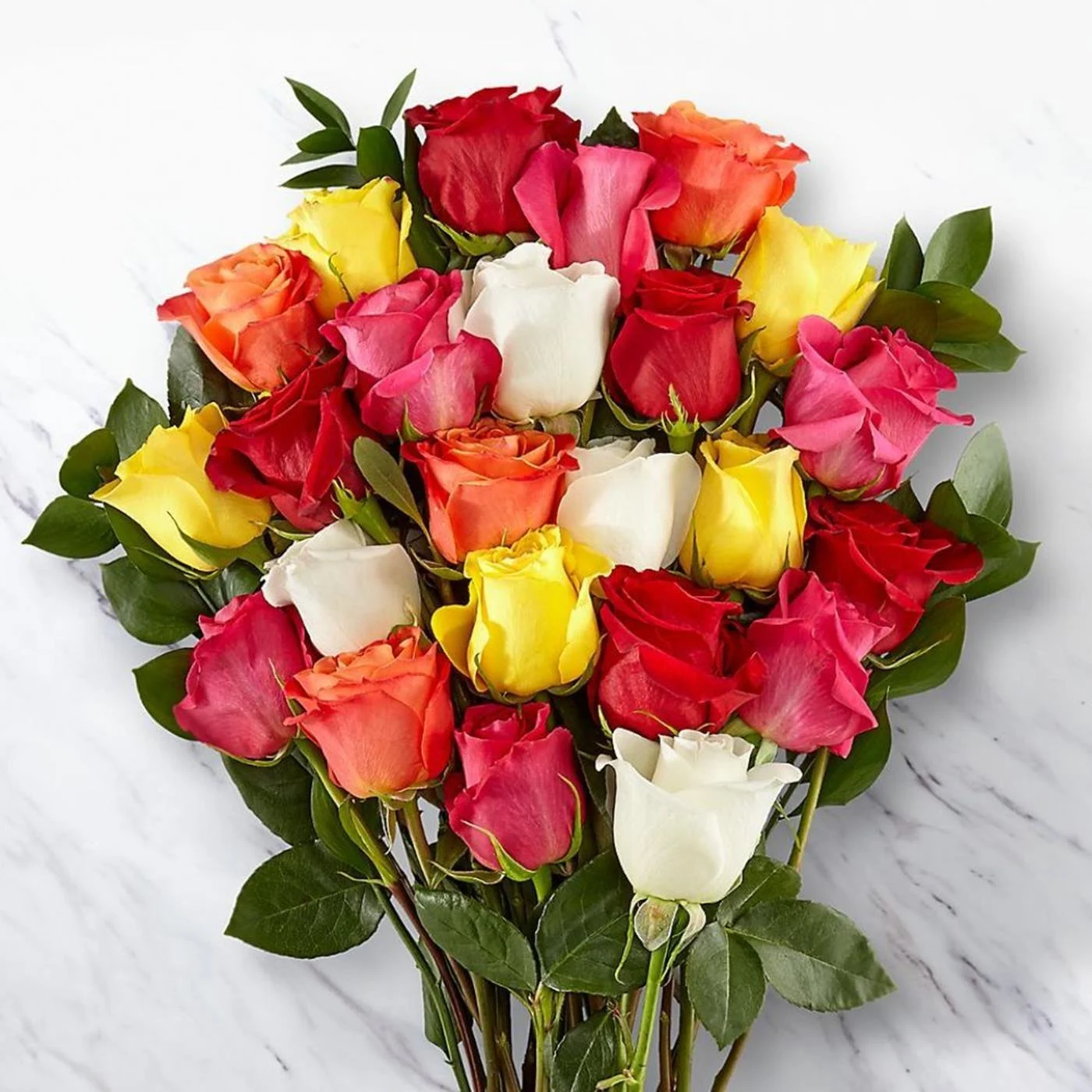
Combining two colors can create a distinct visual mood without making a bouquet complicated. Red and blush pink may feel romantic but gentle, yellow and orange look festive, and white with pink creates a soft classic gift. There is no single official meaning for every mixed arrangement. How a bouquet is received depends on the flowers’ freshness, the relationship, and the message included. Spread each color evenly around the arrangement to avoid one heavy side. For tips on distributing stems and selecting an appropriate vase, read our DIY bouquet-making tutorial.
Choose Rose Colors for Special Occasions
For an anniversary, red or deep pink can be a romantic choice, but a favorite color may be even better. A thank-you bouquet might feature gentle pink or peach. Yellow and orange work well for bright celebrations, while white bouquets may suit formal or reflective occasions when culturally appropriate. For graduation, select flowers that travel comfortably and look attractive against the cap and gown; our graduation flower bouquet ideas guide discusses these choices. Avoid choosing a color based only on a supposed universal meaning. The best gift recognizes what the recipient actually enjoys and what they can comfortably take home.
Arrange a Meaningful Mixed Rose Bouquet
Start with one leading color and a supporting shade. Place the larger rose heads around the bouquet rather than clustering them all in one area, then use smaller blossoms and modest greenery to connect the composition. Turn the stems as you arrange and check the outline from several angles. A large bundle of mixed colors can become visually noisy, so edit out shades that compete with the main palette. Consider whether the bouquet will be carried, photographed, or displayed in a vase before setting its size. If you enjoy soft large focal blooms, see our peony bouquet ideas for additional flower pairing inspiration.
Keep Rose Bouquets Fresh After Gifting
Color meaning is only part of a thoughtful gift; proper care helps the flowers remain enjoyable. Use a clean vase filled with fresh water and commercial flower food according to the packet if one is supplied. Remove foliage that would be underwater, and trim stem ends with clean sharp tools when needed. Keep roses away from direct heat and strong afternoon sun, monitor the water level, and remove fading stems. Penn State Extension’s cut-flower guidance explains why clean vases, prepared stems, and correct flower-food mixing matter. If the recipient is traveling, arrange an appropriate temporary water source instead of leaving the bouquet in a warm vehicle.
Mistakes to Avoid When Interpreting Rose Colors
The most common mistake is treating symbolic associations as absolute facts. A person may see white flowers as wedding decorations, remembrance flowers, or simply their favorite color. Another is assuming that a specific number of stems communicates a universally recognized message. Meanings vary with culture and personal experience. Avoid buying a symbolic color that the recipient actively dislikes. Do not overcrowd a bouquet with every color just to represent more emotions; a clear palette is often more attractive. Think about the recipient first, check flower freshness second, and use traditional symbolism only as a helpful finishing detail.
Which rose color symbolizes romantic love?
Red roses are widely associated with romantic love, but personal preferences and the relationship matter more than any fixed rule.
What rose color is commonly used for friendship?
Yellow roses are a common modern choice for friendship and cheerful celebrations, although interpretations differ between cultures.
Can white roses be used for sympathy?
In some communities, white roses can express sincerity or remembrance. Check the recipient’s cultural expectations and preferences before choosing them.
Is it okay to mix rose colors?
Yes. Choose a small coherent palette and repeat the shades around the bouquet. Add a card if you want your intended message to be unmistakable.
Conclusion: Understanding Rose Colors Meaning
Understanding rose colors meaning can guide you toward a thoughtful bouquet: red often suggests romance, pink appreciation, white sincerity or remembrance, yellow friendship, and orange enthusiasm. These are common associations rather than rules. Make the recipient’s preferences your priority and let a personal note explain the message behind your rose color meanings bouquet.
Frequently Asked Questions
Does the number of roses have a meaning?
Some gifting traditions assign meanings to particular numbers of roses, but these interpretations are not consistent across cultures. The gesture and accompanying message usually matter more than the exact count.
Can I mix rose colors in one bouquet?
Yes. Mixed rose bouquets can create a layered mood. For example, pink and white make a gentle combination while orange and yellow feel bright and celebratory.
Explore More
For practical arranging advice, see DIY bouquets and flower care and our occasion bouquet ideas.